
When a High Security Lock Upgrade Makes Sense
A front door that still works is not always a front door that still protects. Many property owners wait until a break-in, lost key, staff turnover, or damaged deadbolt forces a decision. A high security lock upgrade is usually far more effective when it happens before the weak point gets tested.
For homeowners, renters with landlord approval, property managers, and business operators, the real question is not whether a lock turns. It is whether the lock can resist the methods that actually defeat standard hardware. Basic residential locks often rely on widely available keyways, lighter internal components, and minimal protection against picking, bumping, drilling, or unauthorized key duplication. That may be enough for low-risk situations, but many properties need stronger control than a standard lock can provide.
What a high security lock upgrade actually changes
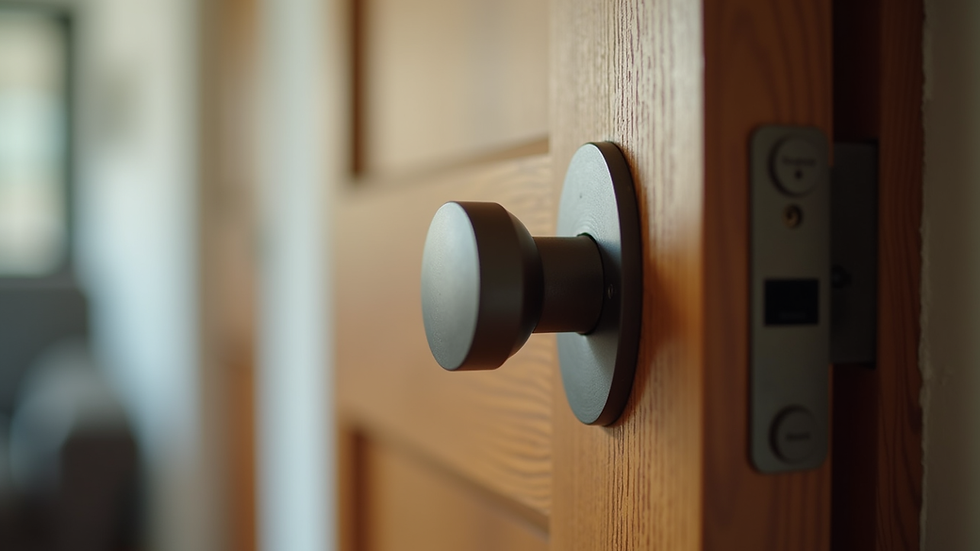
A high security lock upgrade is not just a nicer deadbolt on the door. It changes how access is controlled and how forced or covert entry is resisted. The upgrade may include restricted keyways, reinforced lock bodies, hardened inserts for drill resistance, tighter tolerances inside the cylinder, and stronger strike-side support.
That matters because most lock failures are not dramatic movie-style attacks. They are simple opportunities. A copied key from years ago. A worn lock that no longer seats properly. A cylinder that can be bumped in seconds. A commercial unit where too many former employees still have access. Better hardware closes those gaps.
For residential properties, the biggest gain is often key control and stronger resistance at the main entry points. For commercial spaces, the bigger value may be layered access management. In both cases, the goal is the same - reduce easy entry, slow down attacks, and tighten control over who can get in.
Signs your property is due for a high security lock upgrade
Some properties clearly need an upgrade right away. Others have warning signs that get ignored because the lock still appears functional. If the key sticks, the cylinder feels loose, the deadbolt has visible wear, or the strike area is damaged, your door hardware may already be underperforming.
Security history matters too. If you recently moved into a home, took over a rental unit, experienced a breakup, lost a keyring, terminated staff, or dealt with a tenant turnover, lock security should be reviewed immediately. Rekeying may solve the key issue, but it does not always solve the hardware weakness.
There is also a risk threshold question. A detached home with multiple visible entry points, a ground-floor apartment, a retail unit with employee traffic, or an office with sensitive records has more exposure than a low-traffic interior door. In those cases, upgrading to high security hardware is usually not excessive. It is practical.
Residential situations where standard locks fall short
Many homes still rely on builder-grade locks installed for cost, not long-term defense. They may look clean and operate fine, but they are often easier to bypass than most owners realize. If your exterior doors have basic cylinders, old deadbolts, or hardware that has never been reviewed after years of use, the gap is not cosmetic. It is structural.
Families also tend to underestimate key duplication risk. If spare keys were handed to dog walkers, contractors, past roommates, family members, or former tenants, there may be more active copies in circulation than anyone can account for. A restricted key system changes that equation by limiting where and how keys can be duplicated.
Commercial reasons to upgrade sooner
Businesses face a different pressure. Access changes constantly. Staff come and go. Vendors need temporary entry. Managers need different levels of control. If your locks depend on standard keys that can be copied without oversight, your exposure increases every time a key leaves the building.
A high security lock upgrade can also support master key planning, which helps businesses organize access without sacrificing accountability. That does not mean every door needs the same hardware. It means high-risk doors should get stronger protection, and the system should reflect how the building actually operates.
The biggest benefits of upgrading
The first benefit is stronger resistance to common attack methods. High security cylinders are built to make picking, bumping, and drilling more difficult and more time-consuming. No lock makes a property invulnerable, but better hardware raises the effort required and reduces the appeal of a quick entry attempt.
The second benefit is key control. This is often the deciding factor for landlords, property managers, and commercial operators. A lock is only as secure as the keys issued for it. If copies can be made at any hardware counter, the lock itself loses value fast.
The third benefit is confidence in day-to-day use. A quality lock upgrade often improves alignment, smoother operation, and overall reliability. That matters in emergencies. A lock that fails under stress is not a security feature. It is a liability.
Not every door needs the same level of hardware
This is where many property owners either overspend or under-protect. A high security lock upgrade should be based on exposure, door condition, and access needs. The front entry, rear entry, side doors, garage access door, office suite entry, storage room, and service doors may all require different solutions.
For a home, the main entry and any isolated side or rear door usually deserve the strongest attention first. For a business, exterior entries, back-office access points, and any area with inventory, records, cash handling, or controlled equipment should lead the plan.
Upgrading the lock without checking the surrounding door hardware is also a common mistake. If the frame is weak, the strike is shallow, or the door is misaligned, even a high-grade cylinder can be undermined. Good security work looks at the full entry point, not just the keyhole.
High security lock upgrade vs. rekeying vs. smart lock changes
A rekey is useful when the main problem is old keys still in circulation. It changes which key operates the existing lock. That can be the right move after a move-in, tenant turnover, or lost key. But if the hardware is low grade or physically worn, rekeying alone does not solve the larger issue.
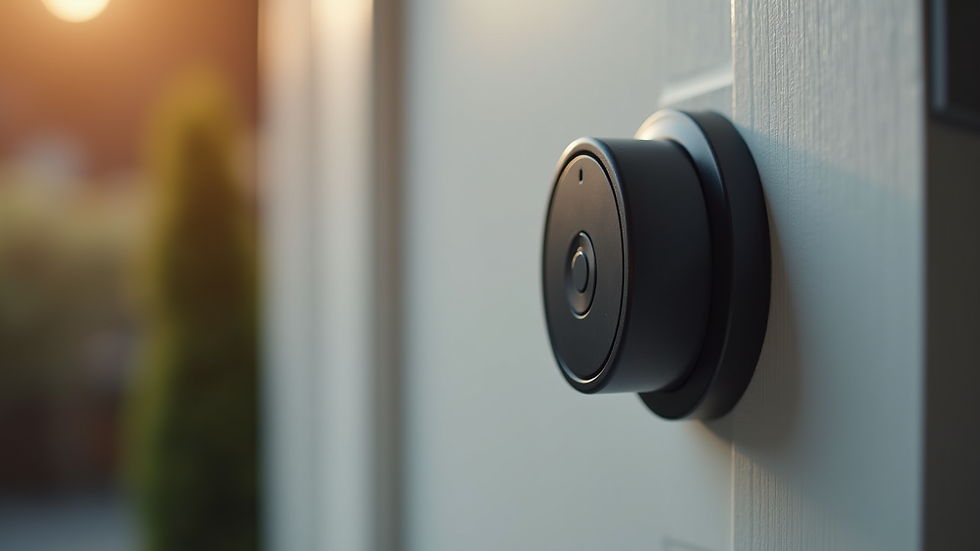
A smart lock upgrade addresses convenience and sometimes access tracking, but smart features and high security are not automatically the same thing. Some smart locks offer strong physical protection. Others focus more on app control than cylinder strength. If your priority is serious entry defense, the mechanical security of the lock still has to be evaluated on its own.
That is why many properties benefit from a combined approach. Strong physical hardware, correct installation, controlled keying where needed, and smart features only where they add real value.
Installation quality matters as much as the product
Even the best lock can perform poorly if it is installed on a compromised door or fitted without attention to alignment, backset, strike reinforcement, and latch engagement. This is one of the biggest reasons rushed retail replacements fail to deliver the protection owners expected.
Professional installation matters most when the property has older doors, metal frames, prior break-in damage, sagging hinges, or mixed hardware from previous repairs. Those conditions affect how the lock seats and how much force the opening can absorb.
For emergency situations, the need is even more direct. If a property has just experienced a break-in, attempted forced entry, or urgent lock failure, the right response is not just restoring access. It is restoring defense. That is where an experienced locksmith can assess whether a repair is enough or whether a high security lock upgrade is the smarter next step.
How to decide if now is the right time
If access control is uncertain, if hardware is aging, if keys may be unaccounted for, or if your property has already shown signs of vulnerability, waiting usually favors the risk, not the owner. A high security lock upgrade makes the most sense when you want stronger control before an incident forces a rushed decision.
For some properties, one upgraded entry point is the right starting move. For others, especially offices, rentals, and multi-entry homes, a broader plan is better. The right answer depends on the building, who needs access, and what is actually at stake behind the door.
Complete Door and Lock handles those decisions with a practical security-first approach, whether the need is urgent after a lock failure or proactive before a problem starts. Stronger locks do more than secure a door. They give you better control over the people, spaces, and assets that matter most.
If you have been questioning whether your current locks are still enough, that hesitation is often the first sign it is time to take a closer look.

Comments