
What to Do After a Break In
- Complete Door and Lock
- Jun 22
- 6 min read
The first few minutes after forced entry are not the time to guess. If you are standing outside a damaged door, broken lock, or shattered frame and wondering what to do after a break in, your priority is simple - protect people first, secure the property second, and document everything clearly.
A break-in leaves more than physical damage behind. It creates uncertainty. Homeowners want to know whether the intruder is gone. Property managers need to secure multiple access points fast. Business owners have to think about employee safety, inventory loss, and whether keys, codes, or access credentials are now compromised. A calm, ordered response matters.
What to Do After a Break In Right Away
Start by treating the scene as active until you know otherwise. If you suspect the intruder may still be inside, do not enter. Move to a safe location and call 911. If you are already inside and notice signs of forced entry, leave if you can do so safely. Personal safety comes before property.
Once police have been contacted, avoid touching doors, locks, windows, drawers, and anything that may carry evidence. It is natural to want to straighten up or inspect what is missing, but moving items too early can complicate the report. Wait until law enforcement gives you the all-clear.
If the property is clearly vacant and officers have finished their initial review, the next step is emergency security. A damaged lock, split frame, or compromised entry door should not be left overnight. Temporary fixes may buy time, but they rarely restore real protection. This is the point where an emergency locksmith becomes critical.
Secure the Property Before You Settle Anything Else
After a break-in, many people focus on replacing stolen items. That can wait a little. The more urgent issue is whether the building can be entered again through the same weak point.
A forced door often has more damage than people realize. The lock might be broken, but the strike plate, jamb, hinges, and frame may also be compromised. In commercial settings, storefront hardware, panic bars, and access control doors can be thrown out of alignment even if they still appear to close. If the entry point does not lock properly, the property is still exposed.
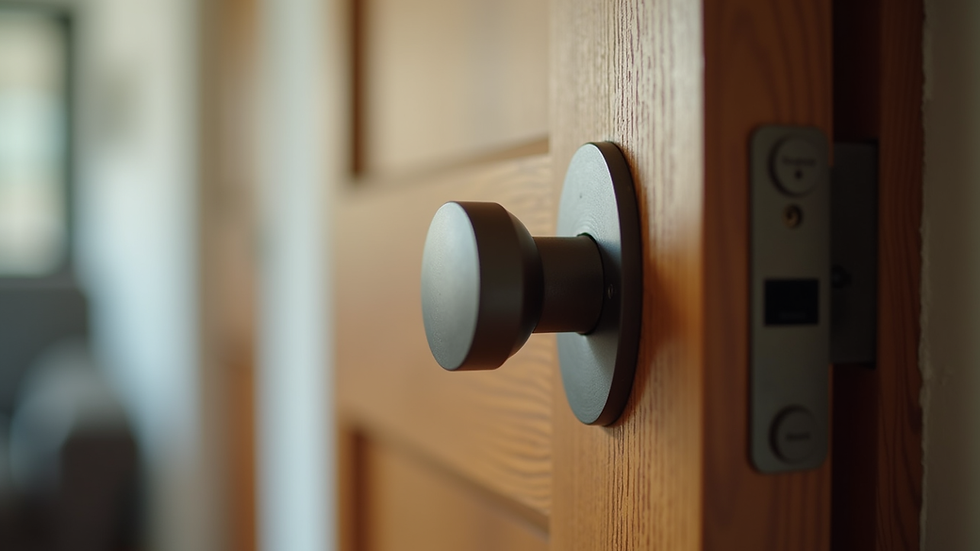
That is why the safest response is a full assessment of the affected entry. In some cases, rekeying is enough. In others, the lock cylinder, deadbolt, or entire hardware set should be replaced. If keys were stolen during the incident, changing locks is usually the right call. If no keys were taken and the damage is isolated, repair may be possible. It depends on what was breached and how much confidence you want in the existing system.
For businesses, this decision carries extra weight. If a break-in involved employee keys, office keys, or master key access, the risk extends beyond one damaged door. Rekeying sections of the building or redesigning access levels may be necessary to restore control.
Document Damage and Missing Property Carefully
Once the scene is cleared, begin documenting what happened. Take clear photos of every damaged entry point, including close-up and wide-angle shots. Capture broken locks, bent hardware, splintered wood, shattered glass, and any interior disturbance. If multiple rooms or units were affected, document them separately.
Then make a written list of missing or damaged property. Be specific. Include serial numbers, model names, approximate value, and where each item was located if you know it. For commercial properties, this may also include missing keys, company devices, cash drawers, records, or access cards.
This documentation supports police reporting and insurance claims, but it also helps your locksmith or security professional understand the scope of the breach. If a thief targeted one side door while ignoring another, that says something about where your vulnerabilities are.
Report the Break-In to Insurance and Building Contacts
After police have been notified and the property is stabilized, contact your insurance provider. Most claims move faster when the damage is photographed early and the loss is listed in detail. Keep receipts for emergency repairs, temporary boarding, lock changes, and replacement hardware.
If you are a renter, notify the landlord or property manager immediately. If you manage a commercial lease, inform the building owner and any internal stakeholders responsible for operations or risk management. The exact responsibility for repairs can vary, but delay only creates more exposure.
For office operators, it is also wise to notify staff if access credentials, keys, or alarm procedures may have changed. Clear communication reduces confusion and keeps the site controlled after an already disruptive event.
Change Locks, Rekey, or Upgrade - What Makes Sense?
One of the most common questions after forced entry is whether to repair the damaged lock or replace everything. There is no single answer.
If the intruder defeated an old or low-grade lock, replacement is usually the better long-term move. If keys were stolen, rekeying can restore control quickly without replacing all existing hardware, assuming the lock bodies are still worth keeping. If the frame or door is badly damaged, installing a stronger lock without reinforcing the structure around it may not solve the problem.
For residential properties, a deadbolt upgrade often makes sense after a break-in, especially if the original setup relied on basic entry hardware alone. Reinforced strike plates, longer screws, and better door alignment can add meaningful resistance. For businesses, high-security cylinders, restricted key systems, and better key control may be the stronger response.
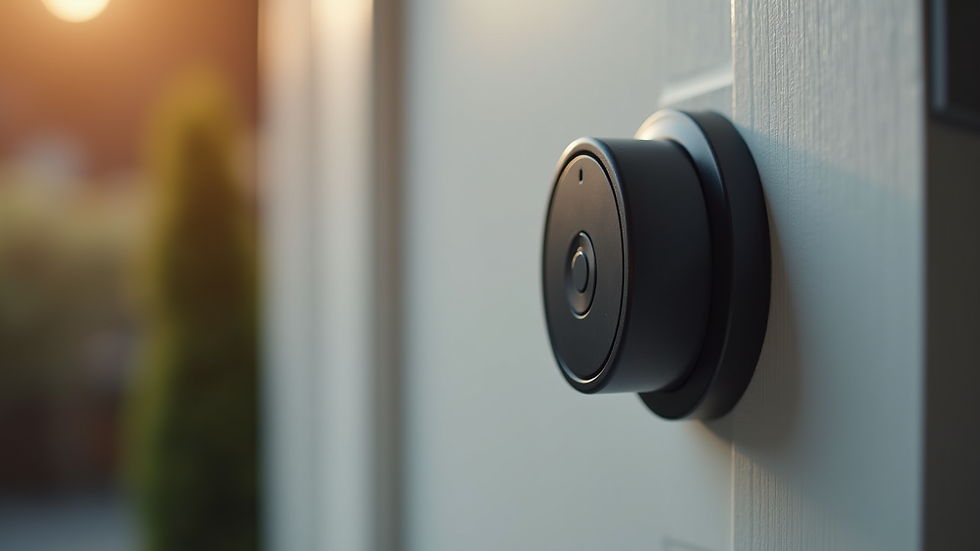
Smart locks can also be useful, but only in the right setting. They offer fast credential changes and audit features, which help if access needs to be revoked immediately. Still, not every door or property layout is a good fit. Mechanical strength matters just as much as convenience.
What to Do After a Break In if You Run a Business
Commercial break-ins create a second layer of risk beyond theft. You may be dealing with compromised employee access, exposed records, interrupted operations, and liability concerns. Securing the front door is only the start.
Review who has keys, who had alarm codes, and whether any internal access points need to be re-secured. If there are multiple suites, storage rooms, or restricted areas, you may need to segment access rather than rekey everything the same way. This is where master key planning becomes important. A rushed one-size-fits-all change can create future control problems.
Also consider whether the break-in exposed a pattern. Was the target a rear service door with poor reinforcement? A glass storefront with vulnerable hardware? An office lock that was outdated and easy to bypass? The right repair should solve the immediate issue, but the better move is to close the weakness that made the incident possible.
Watch for the Less Obvious Security Gaps
After a break-in, most people inspect the obvious damage and stop there. That is understandable, but not always enough.
Check side doors, basement entries, garage access, sliding doors, and any gate or secondary lock that may have been tested. In apartment buildings and mixed-use properties, look at common-area doors and utility access points as well. A thief may have entered through one point and weakened another during the attempt.
You should also think about non-physical access. If keys, fobs, office badges, or written alarm details were taken, the breach is bigger than the visible damage. Codes may need to be changed. Credentials may need to be disabled. In some cases, camera placement or entry procedures should be reviewed.
Bring in a Locksmith Who Can Do More Than Open Doors
A break-in is not just a lockout in reverse. It requires repair judgment, hardware knowledge, and an understanding of how to restore security under pressure. The right locksmith should be able to assess forced-entry damage, secure the property immediately, and recommend practical next steps without overselling what you do not need.
For homes, that may mean replacing damaged locks, reinforcing the door, and rekeying remaining entries so one incident does not leave the whole property uncertain. For commercial sites, it may mean emergency repair now and a broader access control plan afterward. Providers such as Complete Door and Lock handle both sides of that equation, which matters when the problem is bigger than one broken cylinder.
What matters most after a break-in is regaining control quickly and correctly. Fast action helps, but the right action is what restores confidence. Secure the entry, document the damage, fix the weak point, and make sure the property is stronger tomorrow than it was the day before.

Comments