
Best Deadbolt for Front Door: What Works
A front door that looks solid can still be the weak point of a property if the lock is underbuilt, worn out, or installed poorly. If you are trying to choose the best deadbolt for front door security, the right answer is not just a brand name. It comes down to door material, frame strength, traffic level, key control, and whether you need simple mechanical protection or smarter access control.
For most homes and small properties, a single-cylinder Grade 1 or strong Grade 2 deadbolt is the practical baseline. For higher-risk situations, frequent turnover, or mixed-use buildings, the better choice may be a high-security cylinder or a smart deadbolt with proper backup access. The lock matters, but so does everything around it.
What makes the best deadbolt for front door security
A good deadbolt does one job above all else - it resists forced entry long enough to stop an opportunistic break-in or make the attempt loud, difficult, and risky. That means the bolt must extend fully, the cylinder must resist common attack methods, and the strike area must hold under pressure.
Many people shop by appearance or price first. That is where mistakes start. A stylish lock on a weak frame is still a weak entry point. The best deadbolt is one that matches the door, the frame, and the way the property is used every day.
ANSI or BHMA grading is one of the quickest ways to separate stronger hardware from budget options. Grade 1 is the top residential and light commercial benchmark for durability and security. Grade 2 can still be a sound choice for many homes. Grade 3 is usually where you begin to see shorter life span, lighter construction, and less confidence under repeated use.
Single-cylinder, double-cylinder, and smart deadbolts
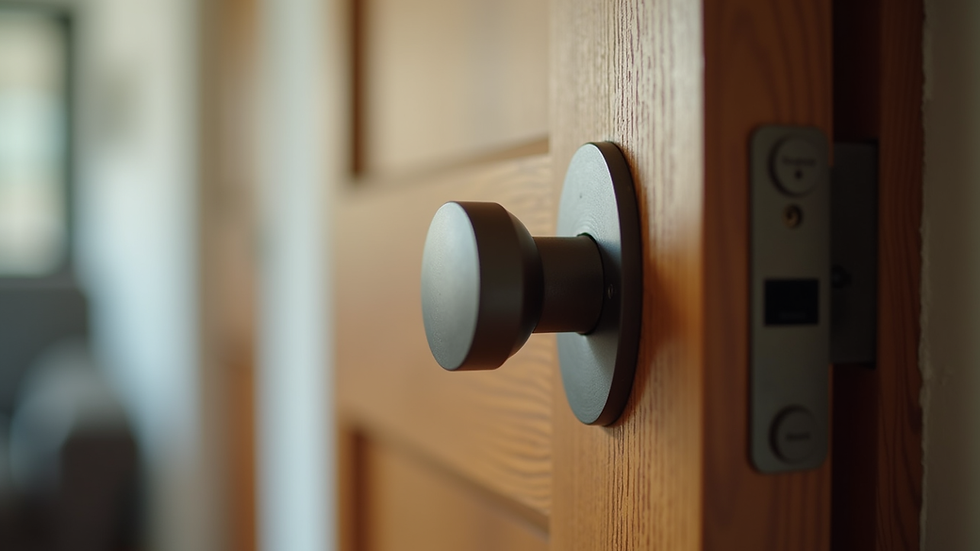
Single-cylinder deadbolts are the most common choice for front doors. They use a key on the outside and a thumb turn on the inside. For many homeowners, this is the best balance of security, code compliance, and fast exit during an emergency.
Double-cylinder deadbolts require a key on both sides. They can help in specific situations, such as a door with nearby glass where someone could break the glass and reach inside. The trade-off is serious - they can slow emergency exit and may not be allowed by local fire or building rules in some settings. That is why they should never be chosen on security alone.
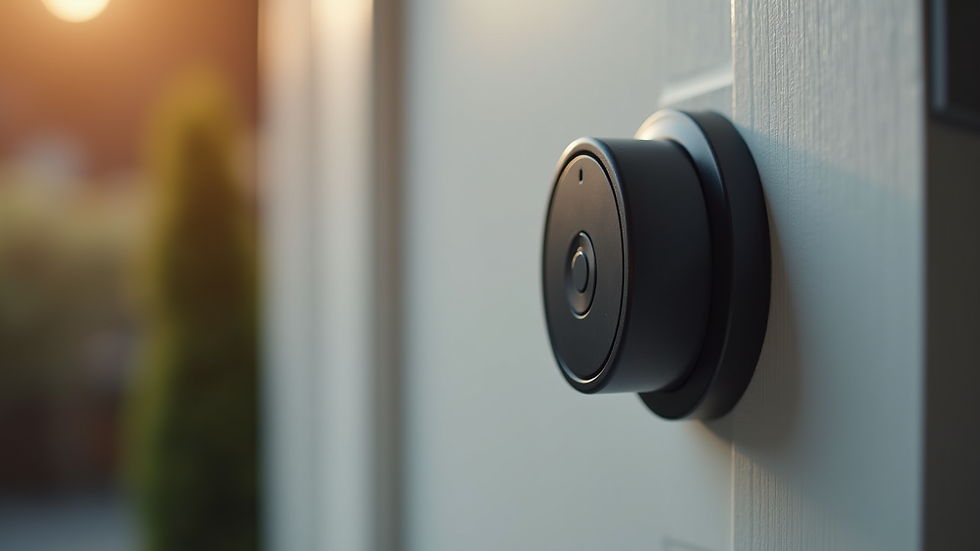
Smart deadbolts are now a strong option when convenience and access control matter. They allow codes, app management, audit trails, and temporary credentials for cleaners, contractors, tenants, or staff. But smart does not automatically mean stronger. A smart deadbolt still needs solid mechanical hardware, reliable battery performance, and a backup entry method that works when technology does not.
The lock grade matters, but installation matters just as much
One of the most common security failures is not the deadbolt itself. It is the way it was installed. Even an excellent deadbolt can underperform if the strike plate is shallow, the screws are too short, the bolt alignment is off, or the door frame is already splitting.
A properly secured front door should have a reinforced strike area and long screws that anchor into framing, not just trim. The deadbolt should throw fully without sticking. If you have to push or pull the door hard just to lock it, the alignment is already off, and that weakens both daily use and break-in resistance.
This is especially important on older homes, rental properties, and commercial entry points with heavy traffic. Wear builds up quietly. Small alignment issues become loose hardware, then failed latching, then a door that no longer protects the way it should.
Features worth paying for
Not every premium feature adds meaningful protection. Some do.
Pick-resistant cylinders are worth considering in dense urban areas, multi-unit buildings, and any location where key security is a concern. Drill resistance also matters, especially on exposed front entries. Reinforced housings, hardened inserts, and stronger bolt construction add real value when they are part of a well-built lock, not just marketing language.
Key control is another factor that gets overlooked. If spare keys have changed hands over the years, rekeying or upgrading to a restricted keyway can close a security gap that many owners do not realize they have. For rentals, offices, and mixed-use properties, that can matter more than replacing hardware with something flashy.
If convenience is a priority, look for smart deadbolts with keypad access, auto-lock settings, and clear low-battery warnings. Skip gimmicks. The best daily-use features are the ones that reduce human error, like forgetting to lock up or losing track of who still has a code.
Best deadbolt for front door use by property type
For a single-family home, a quality single-cylinder deadbolt is usually the right starting point. If the front door includes glass near the interior thumb turn, the decision becomes more specific. You may need a different door layout, reinforced glass, or a code-compliant security upgrade rather than jumping straight to a double-cylinder lock.
For condos and apartments, the best deadbolt often depends on building rules and existing hardware prep. Some doors are already rated and should only use approved lock formats. Others may benefit from a smart deadbolt if key turnover is frequent or if residents want better control over access.
For rental properties, key management often becomes the deciding factor. A high-quality rekeyable deadbolt or a smart lock with controlled user codes can save time and reduce risk between tenants. Property managers usually benefit more from predictable access control than from cosmetic upgrades.
For offices and street-level businesses, durability is critical. Frequent use wears out lower-grade locks fast. In these cases, commercial-grade hardware or a deadbolt integrated into a broader access plan may be the better long-term move. If the business handles sensitive inventory, restricted areas, or staff turnover, cylinder security and rekey planning should be part of the decision.
When a deadbolt alone is not enough
If a front door has a hollow core, a weak jamb, rotted wood, loose hinges, or a damaged frame, replacing the deadbolt alone will not solve the real problem. Security is always a system. The cylinder, bolt, strike plate, frame, hinges, and door condition all work together.
After a break-in, this becomes even more urgent. Many doors can be closed after forced entry, but that does not mean they are secure. The frame may be cracked behind the trim, the latch area may be crushed, or the alignment may be compromised enough to make a new deadbolt less effective. In those cases, break-in repair and reinforcement should come before any lock upgrade decision.
Common buying mistakes
The biggest mistake is buying the cheapest deadbolt that fits the hole in the door. The second is assuming any lock labeled heavy duty is truly high security. Hardware should be evaluated by grade, cylinder quality, material strength, and how it will perform on your specific door.
Another mistake is ignoring handing, backset, and door thickness. Most standard residential doors are straightforward, but not all are. Misfit hardware creates poor alignment, and poor alignment shortens the life of the lock.
A lot of people also keep old keys in circulation for too long. If you moved in recently, had contractors on site, lost a key, or experienced a tenant turnover, rekeying may be more urgent than full replacement. Security gaps often come from access history, not just old hardware.
When to repair, rekey, or replace
If the deadbolt is sticking but otherwise high quality, repair or realignment may be enough. If the key still works but too many copies may exist, rekeying is often the fastest security upgrade. If the hardware is low grade, visibly worn, damaged after forced entry, or no longer matches the risk level of the property, replacement is the better call.
This is where practical guidance matters. The best result is not the most expensive lock. It is the lock that solves the actual problem without creating new ones, such as egress issues, maintenance headaches, or compatibility trouble with the existing door.
At Complete Door and Lock, we see this every day - properties with decent locks on weak frames, smart locks installed on doors that should have been reinforced first, and front entries that need a full security correction rather than another quick hardware swap.
If you want the best deadbolt for front door protection, start with a clear look at the whole entry, not just the cylinder on the outside. The right deadbolt should work smoothly, hold firmly, and fit the way your property is actually used. Good security is not about buying the most features. It is about making forced entry harder, access more controlled, and daily protection more reliable.

Comments