
Smart Locks vs Deadbolts for Better Security
- Complete Door and Lock
- Jul 23
- 5 min read
A front door can be secure on paper and still create problems in real life. A tenant moves out with an unreturned key. An employee leaves and still knows the alarm code. A homeowner is locked out after a long shift. The smart locks vs deadbolts decision is not simply about choosing old technology or new technology. It is about deciding how your property should resist forced entry, manage everyday access, and perform when something goes wrong.
For homes, offices, retail spaces, and rental properties across Toronto and the GTA, the strongest answer is often more specific than choosing one category over the other. A smart lock can be a deadbolt. A traditional deadbolt can remain the better security choice in certain locations. The quality of the lock, the condition of the door and frame, and correct installation matter as much as the feature list.
Smart Locks vs Deadbolts: The Key Difference
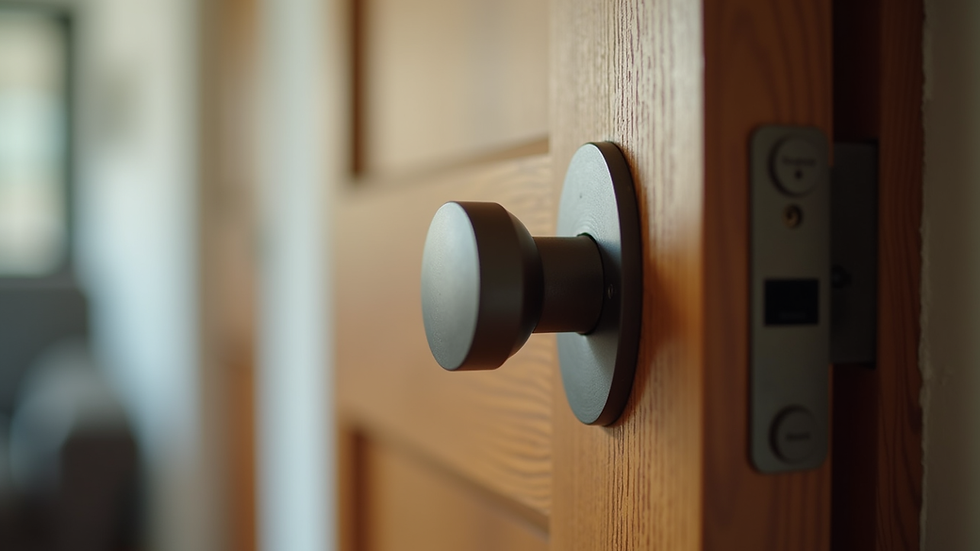
A traditional deadbolt is a mechanical locking device. You turn a key from outside or a thumbturn from inside, moving a solid bolt into the door frame. Its strength is straightforward: fewer electronic components, no app dependency, and a familiar method of operation. A properly installed quality deadbolt remains one of the most dependable ways to secure an exterior door.
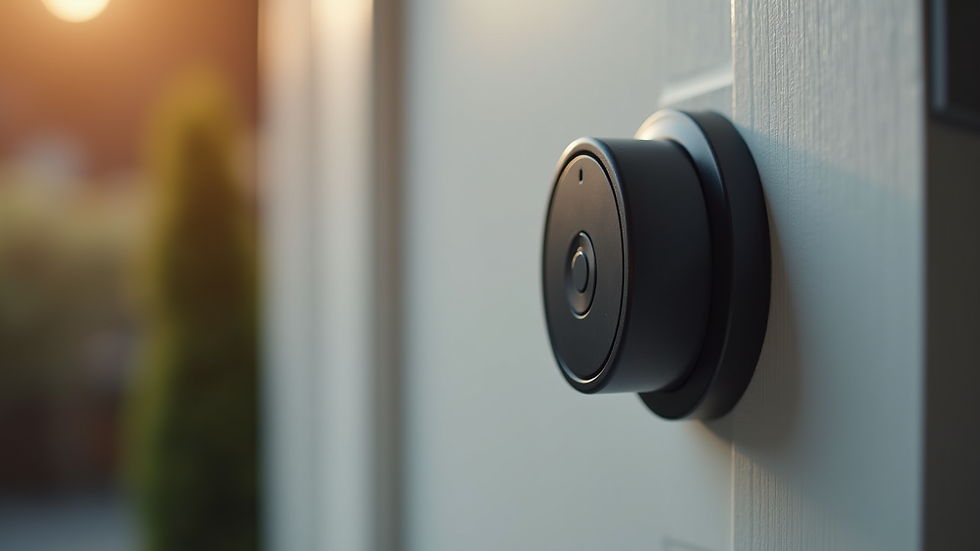
A smart lock adds electronic access control. Depending on the model, you may enter using a keypad code, mobile app, fingerprint reader, key fob, physical key, or a combination of these methods. Many smart locks use a motorized deadbolt mechanism, which means the comparison is not always smart lock versus deadbolt. More accurately, it can be a smart deadbolt versus a conventional mechanical deadbolt.
That distinction matters. Replacing a strong mechanical deadbolt with a poorly made smart lock is not an upgrade. Installing a high-quality smart deadbolt on a weak door frame is not full protection either. Security depends on the entire entry point working together.
Where Traditional Deadbolts Have the Advantage
Mechanical deadbolts are dependable because they are simple. They do not need batteries, a Wi-Fi connection, software updates, or a smartphone to operate. For a side door, storage room, detached garage, or low-traffic entry, that simplicity can be exactly what the property needs.
They are also a practical choice when your priority is physical resistance. Look for a quality deadbolt with a hardened bolt, reinforced strike plate, and long screws that reach the wall framing. A lock is only as secure as the door jamb holding it. During a forced-entry attempt, a weak strike plate or split frame may fail before the lock itself does.
For many homeowners, a conventional deadbolt is easier to maintain over time. There are no codes to change, no users to remove, and no battery alerts to manage. If every authorized person has a key and key control is not a concern, a mechanical lock provides reliable daily protection.
The trade-off is clear: keys can be copied, lost, stolen, or kept by former occupants. After a move, staff change, breakup, eviction, or missing key incident, the lock should be rekeyed or replaced. Waiting until an unauthorized key is used is not a security plan.
Where Smart Locks Deliver Better Control
Smart locks are especially useful when access changes frequently. A homeowner can assign separate codes for family members, dog walkers, cleaners, contractors, or short-term guests. A property manager can remove a tenant or vendor code without collecting keys. An office operator can limit access to selected staff rather than issuing keys that may circulate far beyond the intended user.
This control can reduce the uncertainty that comes with physical keys. Instead of asking who may still have a copy, you can review active codes and remove access immediately. Some systems also record lock activity, which can help establish whether a door was opened at a particular time. Activity records are useful for management and accountability, but they should not replace cameras, alarms, or proper building procedures.
Smart locks also improve convenience in situations where hands are full or keys are unavailable. Keypad entry can prevent a routine lockout caused by a forgotten key. For busy households and businesses with scheduled deliveries or service visits, controlled temporary access can save time without leaving a door unsecured.
However, convenience introduces responsibilities. Batteries must be checked and replaced before they fail. Codes need to be unique and changed when circumstances change. App-connected models should use strong account passwords and available security updates. A smart lock should have a dependable backup entry method, such as an emergency power connection or a physical keyway, based on the property’s needs.
Security Is More Than the Lock on the Door
A deadbolt or smart lock cannot compensate for a poorly secured opening. Before choosing either option, inspect the door, frame, hinges, strike plate, and glass near the lock. Exterior doors should close squarely without binding. The bolt must extend fully into the strike opening, not scrape against misaligned hardware or barely catch the frame.
For doors with glass panels or sidelights within reach of the interior thumbturn, consider whether the lock configuration gives an intruder an easy path after breaking glass. Fire safety also matters. Occupants must be able to exit quickly without searching for a key or using a complicated device. The right setup balances entry resistance with safe emergency egress.
Commercial properties need an additional layer of planning. A single storefront may require different access rules for employees, supervisors, delivery personnel, and maintenance providers. A smart lock may work well for an interior office or controlled staff entrance, while a high-security mechanical deadbolt, commercial-grade lever, panic hardware, or master key system may be more appropriate at other openings. Hardware must match the door’s use, occupancy requirements, and daily traffic.
Choosing the Right Option for Your Property
Choose a traditional deadbolt when you want straightforward mechanical security, the door has limited traffic, and key control is easy to manage. It is also a sensible choice for locations where battery maintenance or app administration would be neglected.
Choose a smart deadbolt when controlling access is as important as securing the door. It works particularly well for rental units, busy family homes, offices with changing staff, and properties that regularly admit contractors or service providers. Select a model with a physical key backup or another reliable emergency access option, and make sure it is rated for exterior use where applicable.
For many properties, a combined approach is strongest. Use smart access where authorized entry changes often, then reinforce other vulnerable doors with quality mechanical deadbolts and upgraded strike plates. Do not assume every door needs the same solution. The rear entrance, garage-to-home door, office suite, storage room, and main entry each present different risks.
Installation Can Make or Break Either Choice
Even excellent hardware performs poorly when installed carelessly. A deadbolt must align with the strike plate and throw fully into solid framing. The door should not flex or shift enough to allow the bolt to be bypassed. Smart locks require the same mechanical precision, plus careful setup of batteries, user codes, app permissions, and backup access.
Avoid leaving default codes active or using easy combinations such as a birthday, address number, or repeated digits. For businesses, remove individual codes as soon as an employee leaves or a contractor’s work is complete. For rental properties, reset or rekey access between occupants. These small procedures prevent security gaps that are far more common than sophisticated lock attacks.
If a door has been kicked, pried, or damaged during a break-in, do not only replace the cylinder. The frame, strike area, hinges, and door edge should be assessed for damage. A repaired lock on a weakened frame may leave the same opening vulnerable.
When you need help selecting or installing the right hardware, Complete Door and Lock can assess the full entry point, not just the lock face. The goal is practical protection that works during normal use and holds up when security is tested.
The best lock is the one that your household or business will manage correctly every day. Choose the level of access control you can maintain, reinforce the door around it, and act quickly when keys, codes, or the integrity of the opening are in doubt.

Comments