
How to Secure Door After Break-In Fast
A broken frame at 2 a.m. changes the situation fast. Once someone has forced entry, the priority is not appearance - it is control. If you are wondering how to secure door after break-in, the first goal is to stop further access, protect the people inside, and stabilize the opening until proper repairs are completed.
That means treating the door, frame, lock, and surrounding hardware as one security system. In many break-ins, the lock is not the only failure point. The strike area, jamb, hinges, glass, or latch alignment may also be compromised. A door can look closed and still be easy to force open again.
How to secure door after break-in: first steps
Start by checking whether the property is safe to enter or remain in. If the intruder may still be nearby, or if anyone is injured, call emergency services first. Security work comes after immediate danger is addressed.
Once the scene is safe, avoid touching damaged areas more than necessary. If police documentation or an insurance claim is likely, take clear photos of the door, frame, lock, surrounding trim, and any pry marks before moving pieces around. This step is easy to skip under stress, but it matters later.
After that, focus on containment. If the door will still close, test it gently. Do not force a damaged deadbolt or knob, because jammed internal parts can make the door harder to secure. If the lock is hanging loose, the strike plate is split, or the frame is cracked, the door may need temporary reinforcement before it can be used at all.
For a home, move family members to a secure interior area while repairs are arranged. For a business, limit access to staff only and protect inventory, offices, or cash-handling areas inside the premises. A break-in often exposes more than the front entrance.
Secure the opening before you worry about full repairs
The fastest solution depends on the type of damage. If the door slab is intact but the lock has failed, replacing or rekeying the lock cylinder may be enough to restore short-term security. If the frame is split, the deadbolt has nothing solid to anchor into, and replacing the lock alone will not solve the problem.
When the frame is cracked or the strike area has blown out, temporary boarding or reinforcement may be necessary. This is especially true for commercial entry doors, side doors, and rear service entrances that are more exposed and less visible from the street. A door that cannot resist one kick is still vulnerable, even with a new lock installed.
If there is glass in or near the door, inspect it closely. A thief may bypass the lock entirely by breaking glass and reaching inside. In that case, securing the lock without addressing the glass leaves the same weakness in place. This is where a professional locksmith or door repair specialist can make the right call quickly, because the repair plan has to match the actual point of entry.
What to check on the door and frame
A forced entry usually leaves more damage than people expect. The deadbolt may be bent, the latch may no longer align, screws may have pulled out of the frame, and the jamb may be split behind the trim where the damage is less visible. On metal commercial doors, the door closer, panic hardware, or aluminum frame can also be affected.
Check whether the door sits square in the opening. If it rubs, sags, or pops open under pressure, the structural support is compromised. Also look at the hinges. On some break-ins, the attack is on the latch side. On others, the door gets twisted enough that hinge screws loosen or strip out.
The lock itself should be evaluated with the same level of caution. If keys were stolen during the break-in, rekeying or replacing the lock is a security necessity, not an upgrade. If the intruder gained entry with force only and the key control remains intact, rekeying may still be wise for peace of mind, especially in rental properties, offices, and multi-user spaces.
When a lock change is enough
A lock change can work when the door and frame remain structurally sound, the strike area is not split, and the existing hardware was the main point of failure. This is common when a lock was drilled, picked, snapped, or damaged during the attempt.
In these cases, upgrading to a high-security deadbolt is often the better move than simply replacing the same grade of hardware. The goal is not to restore yesterday's vulnerability. It is to improve resistance against prying, kicking, bumping, and unauthorized key duplication.
When the frame needs repair first
If the frame is cracked, soft, separated, or splintered around the strike, hardware replacement should wait until the structure is repaired. A strong deadbolt installed into weak wood is false security.
For business properties, damaged aluminum storefront frames and glass-door hardware need especially careful handling. These systems often require precise alignment, and a rushed repair can create closing problems that affect both security and daily operation.
Better protection after the immediate emergency
Once the property is secure for the night, the second phase is prevention. This is where many owners make a practical mistake. They restore the door to working order but leave the same weak setup in place - short screws, light-duty strike plates, low-grade deadbolts, outdated cylinders, or poor door-to-frame fit.
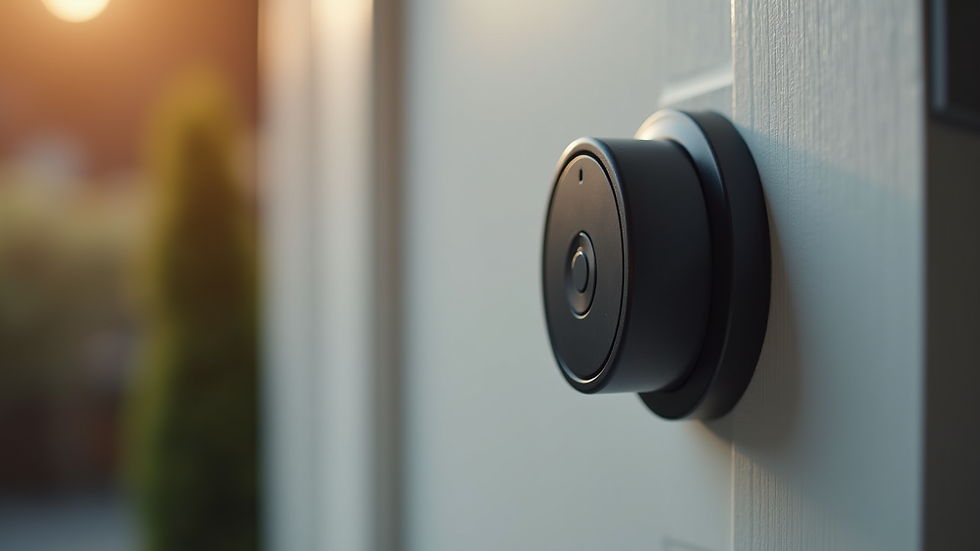
A stronger setup usually includes a reinforced strike area, longer screws anchored into framing, a quality deadbolt, and correct alignment. For some properties, smart locks also make sense, especially when there is concern about lost keys, staff turnover, tenant changeover, or repeated access issues. But smart hardware is not a shortcut for physical strength. The door still needs a solid frame and proper installation.
For commercial spaces, this may also be the right time to review master key structure, restricted keyways, and access control on side and rear doors. A break-in often reveals not just one weak point, but a broader gap in perimeter security.
How to secure door after break-in without making it worse
Quick fixes can help, but only if they are used carefully. Pushing a damaged deadbolt into place, over-tightening loose hardware into cracked wood, or relying on a privacy lock overnight can create a false sense of safety. So can assuming the door is secure just because it closes.
Temporary reinforcement should buy time, not replace proper repair. If the door needs to be boarded, the boarding has to be anchored securely and sized correctly. If the lock is replaced, it has to be matched to the door thickness, backset, and frame condition. If the frame is repaired, it has to support the new hardware under force, not just during normal use.
This is why emergency locksmith service matters after a break-in. Speed is critical, but so is judgment. A reliable technician should be able to determine whether the right answer is rekeying, lock replacement, frame reinforcement, door repair, temporary boarding, or a full hardware upgrade. Complete Door and Lock handles these situations with that exact priority - regain control first, then rebuild security the right way.
Residential and commercial needs are not the same
For a homeowner or renter, the priority is usually immediate safety, sleeping securely, and restoring confidence in the entry point. Deadbolt strength, frame repair, and key control are central. If the break-in happened through a side door, basement door, or garage access door, those secondary entries should be inspected too.
For a property manager, office operator, or retail business, the scope is often wider. You may need to secure one damaged door while also reviewing who still has keys, whether staff access should change, and whether interior offices, storage rooms, or service entrances need upgraded control. In a commercial setting, one forced door can become an operational problem by morning if it is not repaired correctly.
That is where a service-led approach matters. The best repair is not just the fastest one. It is the one that restores entry security without creating another weak point two days later.
What to do next if your door was forced open
Act in order. Confirm safety, document the damage, secure the opening, and have the lock and frame assessed together. If keys are missing, rekey immediately. If the frame is broken, fix the structure before trusting the lock. If the hardware was weak to begin with, upgrade it instead of repeating the same setup.
A forced entry leaves people shaken, but the repair path should still be clear and controlled. The right response is not panic. It is fast action, solid workmanship, and a stronger door than the one that failed.

Comments