
Locked Out of Office? What to Do Fast
Your phone is inside, your keys are on the desk, staff are waiting, and the front door just clicked shut behind you. If you are locked out of office space, the problem is not just inconvenience. It is a security issue, a workflow issue, and sometimes a liability issue.
Office lockouts have a way of escalating quickly. A delayed opening affects employees, customers, deliveries, and tenant operations. If access was lost because of a broken key, failed lock, or compromised entry point, the bigger concern is whether the office is still secure once the door is opened again. That is why the right response is not just getting back in. It is regaining access without creating more risk.
What to do first when locked out of office space
Start by slowing the situation down for a minute. In a commercial lockout, rushed decisions often lead to damaged hardware, forced entry, or unnecessary exposure of keys and access codes. Before anyone tries to pry a door, remove a hinge, or force a latch, confirm what actually caused the lockout.
Check whether another authorized person has access. In some offices, a building manager, supervisor, or designated keyholder can open the unit without needing outside service. If your office is inside a managed building, confirm whether the issue is with your suite door, the main building entrance, or an access control system that may have failed after hours.
Next, verify whether there is an alternative legal entry point. Some offices have secondary doors, shared corridor access, or controlled back entrances. This only works if entry is authorized and does not violate building policy. The goal is to restore access without compromising records, inventory, staff property, or alarm systems.
If the office remains inaccessible, treat it as both an emergency access issue and a possible lock problem. That distinction matters. A simple key left inside is one thing. A cylinder that suddenly stopped turning, an electronic lock that failed, or a door that latched incorrectly may point to hardware failure that needs repair after the door is opened.
Why office lockouts are different from home lockouts
A home lockout is personal. A commercial lockout affects operations. There may be employees waiting to clock in, clients due for appointments, sensitive files behind the door, or alarm schedules that need to be managed properly. In some businesses, even a short delay can cost real money.
Commercial doors also tend to be more complex. Offices often use grade 1 or grade 2 hardware, restricted keyways, panic bars, storefront locks, mortise locks, electronic access systems, and master key setups. These are not the kinds of locks you want handled with guesswork. The wrong method can damage the lock, the frame, the glass, or the door closer, which turns a lockout into a repair job.
There is also a chain-of-authority issue. In a workplace, not everyone should be able to approve entry. If a locksmith is called to open an office, proof of occupancy, employment, management authorization, or property control may be required. That protects the business as much as it protects the locksmith.
Common reasons businesses get locked out of office doors
Sometimes the cause is simple. Keys are lost, left inside, or taken home by the wrong employee. Other times the lockout points to a larger security weakness.
Wear and tear is a common factor in older office hardware. A key may stop working because the pins are worn, the cylinder is damaged, or the lock has become misaligned from years of use. Doors that swell, shift, or fall out of alignment can latch incorrectly and stop opening even though the key is technically correct.
Electronic systems create a different set of problems. Dead batteries, failed credentials, wiring issues, software faults, and communication errors can all lock out authorized users. Access control is useful, but it introduces dependency on components that can fail without warning.
Then there is turnover. In many offices, lockouts happen after staffing changes, contractor transitions, or tenant handovers. Too many copies of old keys are still in circulation, or nobody is fully sure who has the current one. When that happens, the lockout is often a sign that rekeying or access restructuring is overdue.
What a locksmith can do during an office lockout
A qualified commercial locksmith does more than open a door. The immediate job is restoring entry with the least possible damage. The larger job is identifying whether the lock, key system, or door hardware is still safe to rely on after access is regained.
In many cases, a professional can pick open or otherwise non-destructively open the lock. That keeps the door, frame, and hardware intact. If the lock is failed or damaged beyond safe operation, the locksmith may need to repair or replace the cylinder, lever set, mortise body, or related hardware on site.
If the keys are lost or there is any chance they were stolen, rekeying should be part of the conversation right away. Getting back in is only half the issue if missing keys can still open the office tomorrow. For businesses with multiple doors or layered access, it may also be the right time to review whether a master key system still reflects current staffing and security needs.
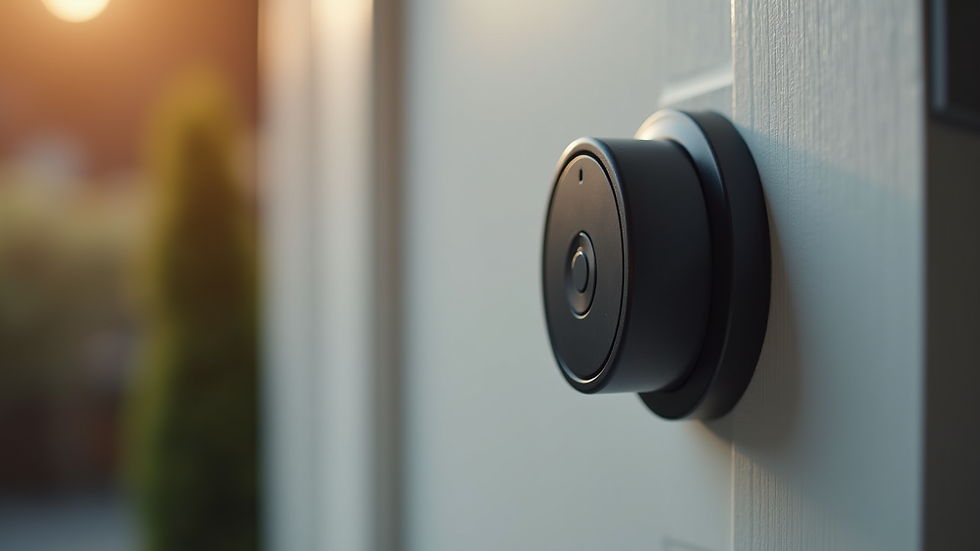
For offices using smart locks or access control, the fix may involve more than the lock itself. Credential resets, battery replacement, code changes, and hardware troubleshooting may all be needed before the office is truly secure again. This is where commercial experience matters. A fast opening is useful, but a stable fix matters more.
Avoid these mistakes when locked out of office property
The biggest mistake is forcing entry too soon. Crowbars, screwdrivers, improvised tools, and shoulder checks can damage aluminum storefront doors, split wood frames, crack glass, and destroy locking hardware. That often costs more than the lockout itself and can leave the office exposed until repairs are completed.
Another mistake is treating every lockout like a one-time fluke. If keys regularly go missing, staff are sharing copies informally, or doors are sticking and failing, the office is giving you a warning. Repeated access problems usually mean the lock system is no longer supporting the way the business actually operates.
It is also risky to ignore documentation. Businesses should know who is authorized to request emergency entry, who holds keys, which doors are rekeyed together, and what kind of hardware is installed. Without that, every lockout becomes slower, more expensive, and harder to secure properly.
How to reduce the chance of another office lockout
The best prevention is controlled access, not just more spare keys. Start with clear keyholder policies. Decide who holds physical keys, who approves duplicates, and how keys are tracked when employees leave or roles change. If nobody owns that process, lockouts and security gaps become more likely.
For many offices, rekeying is a smarter reset than replacing every lock. It changes who can gain entry without requiring all-new hardware. If your business has grown, changed staff, or moved through several vendors and managers, rekeying can restore control quickly.
Electronic upgrades may also make sense, but only if they fit the property. Smart locks and credential-based systems help with audit trails and access changes, but they need reliable hardware, battery management, and a backup entry plan. Old-school key systems still work well in many offices when they are maintained properly and built around current security needs.
Routine hardware checks also matter more than most businesses realize. A door that drags, a latch that catches, or a key that sticks is not just annoying. It is often early evidence that a lockout or failure is coming. Addressing those signs early is cheaper and far less disruptive than waiting for a full access failure at opening time.
When to call for emergency help
If staff are outside, business operations are paused, or there is any concern about lost keys, forced entry, or lock failure, call a commercial locksmith immediately. Time matters, but so does judgment. You want the office opened quickly, the cause identified, and the security of the space checked before business continues as usual.
That is especially true after hours, during tenant turnovers, after employee departures, or when the office contains confidential records, equipment, or controlled inventory. In those situations, speed is part of security. A delayed response can leave too many unknowns around who has access and whether the door can still protect the premises properly.
Complete Door and Lock handles office lockouts with that bigger picture in mind - urgent access first, then practical protection measures that reduce repeat problems and restore control.
If you are locked out of office space, the fastest fix is not always the best one. The right response gets the door open, protects the property, and leaves your business more secure than it was an hour earlier.

Comments