
How to Handle Apartment Lockout Without Risk
A lockout can turn serious fast when your keys are sitting on the kitchen counter, your phone battery is low, and the apartment door has locked behind you. Knowing how to handle apartment lockout situations calmly protects more than your schedule. It protects your door, your lease, your belongings, and your personal safety.
The wrong response - forcing the door, tampering with the lock, or allowing an unverified person into the building - can lead to expensive damage and a larger security problem. The right response is controlled: confirm the situation, secure a safe place to wait, contact the appropriate help, and regain entry without compromising the property.
First, make sure it is truly an apartment lockout
Before calling for service, take one minute to check the simple possibilities. Look through your bag, vehicle, pockets, or common areas where you may have set down a key or access fob. If you live with a roommate, family member, or trusted neighbor who has an authorized spare, contact them.
Do not leave a door propped open while you search, and do not ask a stranger to let you into a secured building. Shared entrances are part of the property’s security system. Bypassing that system can put other residents at risk and may violate building rules.
If your key is inside the unit, broken in the lock, missing, or your electronic fob has failed, treat it as a confirmed lockout. The goal is not to find a shortcut. It is to restore authorized entry cleanly and quickly.
How to handle apartment lockout safely
Start by moving to a well-lit, populated area. If it is late, cold, or you feel unsafe in the hallway, lobby, or parking area, contact building management, security staff, or a trusted person nearby. Your immediate safety comes before the inconvenience of waiting outside your door.
Next, call your landlord, property manager, superintendent, or building concierge if one is available. Many apartment buildings have a defined after-hours process for resident lockouts. Ask whether they can provide access, whether there is a lockout fee, and how long the response may take.
This option can be practical during regular hours. It may be less effective overnight, on weekends, or in a large building where staff are off-site. If management cannot respond promptly, a qualified 24/7 locksmith is the appropriate next call.
When contacting a locksmith, explain that it is an apartment unit, identify the type of door if you know it, and state whether your keys are inside, lost, or damaged. A professional will ask for proof that you have the right to enter. That is not a delay tactic. It is a critical part of protecting residents and property owners from unauthorized access.
Have identification ready if possible. A driver’s license, lease, utility account, tenant portal record, or a property manager’s confirmation can help establish occupancy. If your identification is locked inside, explain that upfront. The technician can discuss acceptable ways to verify residency before work begins.
Never force the door or try a DIY entry method
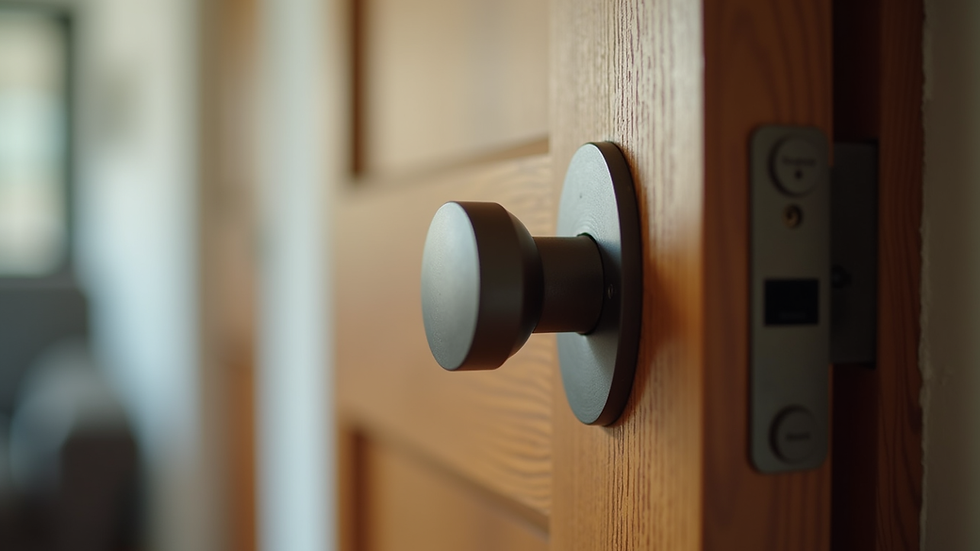
A locked apartment door is designed to resist forced entry. Kicking it, prying the frame, drilling the lock, or using improvised tools can damage the deadbolt, strike plate, hinges, weatherstripping, door slab, or frame. Those repairs often cost much more than a professional lockout service.
DIY videos are also misleading. They rarely account for modern deadbolts, high-security cylinders, reinforced frames, smart locks, or multi-point locking hardware. What looks easy on a screen can leave a lock unusable, trigger an alarm, or create evidence of damage that property management must address.
There is another risk: a damaged lock can leave the apartment unsecured after you finally get inside. If the lock has been compromised, the door may need immediate repair or replacement. A trained locksmith focuses first on non-destructive entry whenever the lock condition permits it, then checks that the door locks securely before leaving.
Choose a locksmith who protects the property
Not every emergency call is the same. For an apartment lockout, choose a locksmith who is prepared to work with residential security hardware and understands the need for tenant verification. Ask for clear arrival expectations and confirmation that the technician can assess the lock before recommending replacement.
A reliable service should not pressure you into changing a lock that can be safely opened and retained. At the same time, replacement may be justified when a key is stolen, a cylinder is damaged, a lock has failed internally, or there is a reason to believe someone else has unauthorized access.
Complete Door and Lock provides 24/7 emergency assistance for apartment residents, homeowners, and property operators across Toronto and the GTA. The objective is controlled entry and restored protection - not a rushed workaround that creates a new vulnerability.
For renters, remember that the lock usually belongs to the property owner. A locksmith can explain the condition of the hardware and the available options, but management approval may be needed before changing certain locks or issuing new building credentials. If a replacement is required in an urgent situation, document the work and notify management as soon as possible.
If keys are lost, stolen, or left with the wrong person
A key locked inside the apartment is usually an access problem. A lost or stolen key is a security problem. The distinction matters.
If your keys were lost with anything that identifies your address, or you suspect they were taken, inform your landlord or property manager immediately. The safest response may involve rekeying the cylinder or replacing the lock, depending on the building’s hardware and policies. Rekeying changes the internal pin configuration so the missing key no longer works, while allowing the existing lock body to remain in place when it is in good condition.
For fob-controlled buildings, report a missing fob quickly so management can deactivate it. Do not assume the fob is harmless because it does not show a unit number. In many properties, it may still grant entry to common areas, elevators, parking garages, or amenity spaces.
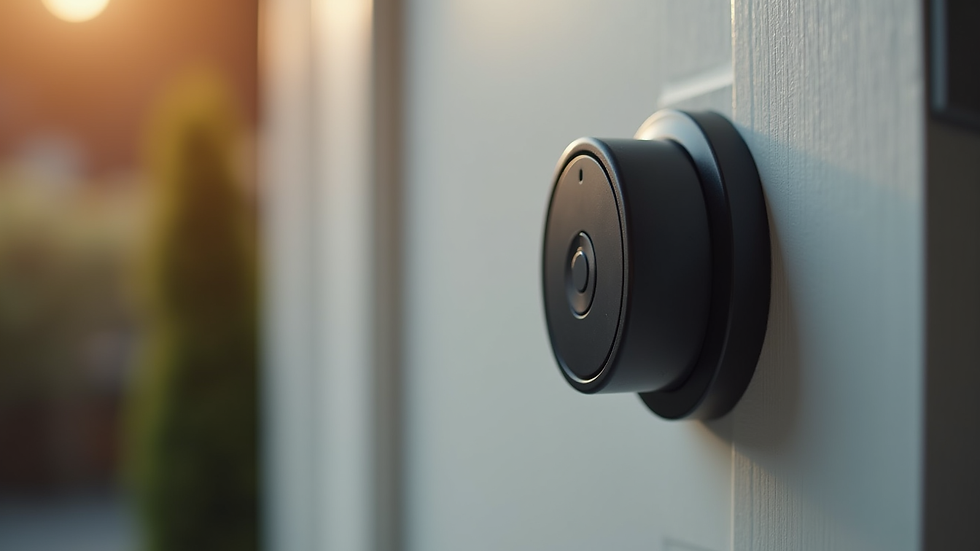
Smart locks require a different check. If your phone-based credential fails, determine whether the issue is a dead battery, app outage, Wi-Fi problem, or damaged lock. Avoid repeatedly forcing the thumb turn or keypad. Once access is restored, update codes, remove old user permissions, and replace batteries on a scheduled basis.
What to do if children, pets, or a hazard are inside
A standard lockout can wait for professional entry. A lockout involving immediate danger cannot.
Call emergency services if a young child, vulnerable person, or pet is alone inside and at risk from extreme heat, cold, an active stove, smoke, medical equipment, or another urgent hazard. Tell dispatchers exactly what is happening, your unit location, and whether you can see or hear signs of distress.
Do not break a window unless emergency responders direct you to do so or there is an immediate life-threatening reason. Broken glass can injure someone inside, create an entry point for intruders, and require urgent boarding and repair after the emergency.
If no immediate danger exists, call a qualified emergency locksmith and clearly state that a child or pet is inside. Accurate information helps the provider prioritize the situation and arrive prepared.
Prevent the next apartment lockout
A few modest habits reduce the chance of being locked out again. Keep one approved spare key with a trusted person who lives nearby, rather than hiding one outside the building. Confirm with management before using a lockbox or changing any hardware, since many apartments have rules about keys, locks, and common-entry access.
Make a quick departure check part of your routine: phone, wallet, keys, and fob. This is especially useful in buildings with self-locking doors. If your door frequently locks behind you while you take out trash or collect mail, carry your keys even for short trips into the hallway.
Property managers can reduce repeat incidents by maintaining clear after-hours procedures, tracking issued keys and fobs, and repairing worn locks before they fail. For higher-risk buildings or units, upgraded deadbolts, restricted key systems, and properly managed smart access can improve control without making daily entry difficult.
A lockout is frustrating, but it does not need to become a damaged door, a lease dispute, or a security exposure. Stay safe, verify your right to enter, use authorized support, and make sure the lock is secure once the door opens. That calm, professional response gets you back inside while keeping the property protected.

Comments